

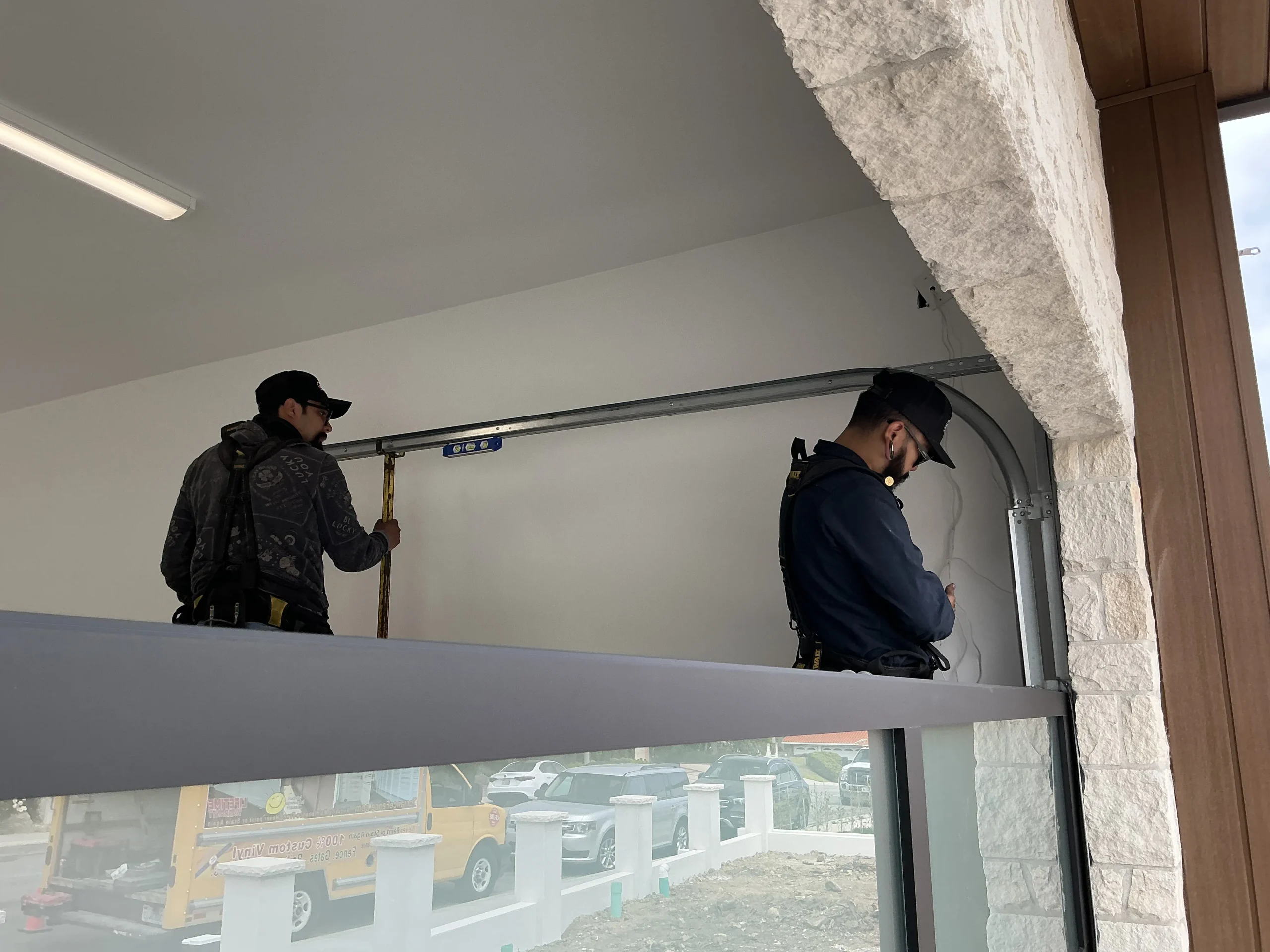
A garage door emergency does not wait for a convenient time, and the minutes before the repair team arrives are more critical than most people realize. The actions taken during that window can protect your home, prevent further damage, and set the technician up for an efficient repair.
Knowing what to do before emergency garage door repair arrives goes beyond staying calm and waiting by the phone. It means taking deliberate steps that keep the situation under control, reduce the risk of additional damage, and give the repair team everything they need to get the job done right.
Common Causes of Garage Door Emergencies
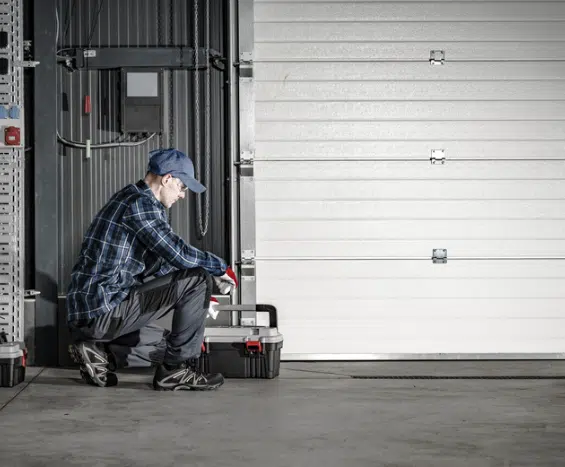
Most garage door emergencies trace back to a specific mechanical failure that had been building up over time before one final breaking point pushed the entire system into shutdown.
Common causes of garage door emergencies include:
- Broken garage door springs snap and can no longer support the full weight of the door
- Snapped cables and derailed rollers leave the door unbalanced and unable to move
- A failed opener leaves the door completely stuck with no way to operate it
- Bent tracks knock the door out of alignment and block its movement entirely
- Vehicle impact or falling debris cracks panels and shifts the system out of position
To understand how these failures show up as visible warning signs, read our guide on Signs You Need Emergency Garage Door Repair Now, which covers the most telling indicators that cannot be ignored.
Signs Your Garage Door Needs Emergency Repair
Recognizing the early signs of a garage door emergency helps homeowners act quickly and get the right professional help on time.
Signs your garage door needs emergency repair include:
- The door will not open or close and does not respond to the opener
- A loud bang from the garage typically points to a broken spring
- The door is visibly off its tracks or hanging at an uneven angle
- Cables are frayed, snapped, or hanging loose on either side of the door
- The door moves unevenly or stops abruptly in the middle of a cycle
Delaying a garage door repair at this stage puts your home, your vehicle, and your household at risk of significantly greater damage.
Immediate Steps to Take During a Garage Door Emergency
The first few minutes of a garage door emergency require calm and deliberate action to keep the situation from getting worse.
Immediate steps to take during a garage door emergency include:
- Stop using the door and do not force it open or closed
- Unplug the opener or switch off the circuit breaker immediately
- Keep children and pets out of the garage until a technician arrives
- Lock the interior door leading into your home if the door is stuck open
- Call a professional garage door repair service in San Francisco, CA right away
Taking these steps protects your household and gives the repair team the best conditions to work with when they arrive.
What to Do Before Emergency Garage Door Repair Arrives
Disconnect the Automatic Opener
Cutting power to the opener before the technician arrives prevents accidental activation during the repair.
Watch for these situations where disconnecting the opener is critical:
- Power remains active even when the door is visibly damaged
- The opener attempts to run a cycle due to a faulty sensor or remote signal
- The motor unit continues humming even after the door has stopped moving
- Unplugging from the wall outlet is not possible due to the outlet location
- Circuit breaker access is needed to fully cut power to the garage
Skipping this step increases the likelihood of accidental activation, which can worsen the damage and lead to a more extensive garage door opener repair.
Secure the Area and Lock Interior Doors
Every entry point connected to the garage needs to be locked when the main door cannot be fully closed.
Key actions to secure the area include:
- Interior doors connecting the garage to the living area must be locked from inside
- Valuables stored near the garage entrance should be moved further into the home
- Side entry doors to the garage need to be checked and secured as well
- Windows inside the garage should be latched shut if the main door is stuck open
- Outdoor lighting near the garage entrance should be turned on for evening repairs
Securing every access point connected to the garage keeps your home protected while the main door is out of service.
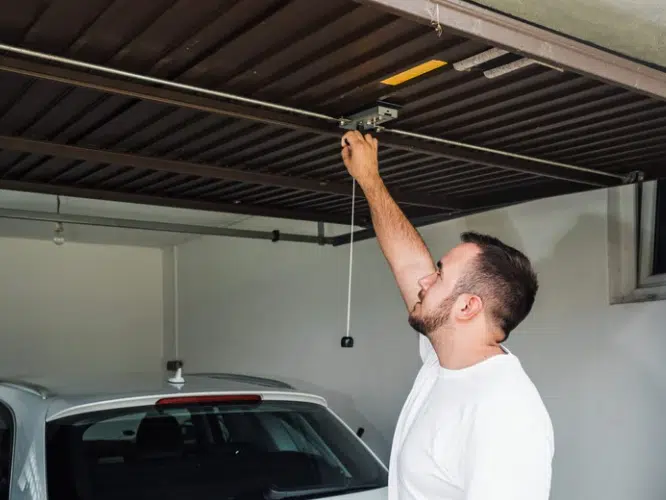
Locate the Emergency Release Cord
Knowing where the emergency release cord is and how to use it correctly prevents unnecessary damage during a stressful situation.
Here is what homeowners need to know about the emergency release cord:
- A red handle hanging from the opener rail marks the location of the release cord
- Pulling the cord disconnects the door from the opener for manual operation
- Manual lifting should only be done when a vehicle is trapped inside the garage
- Lift with two hands slowly to avoid straining damaged components
- Leave reconnecting the door to the opener entirely to the technician
Reattaching the trolley without professional guidance can interfere with the alignment of the garage door system.
Document the Damage With Photos
A clear photographic record of the damage gives the technician a head start and supports any insurance claim filed after the repair.
Photographing the damage thoroughly means covering all of the following:
- Broken or visibly separated spring coils on either side of the door
- Frayed, snapped, or sagging cables along the vertical tracks
- Dented, cracked, or misaligned panels from top to bottom
- Bent or pulled-away sections of the horizontal and vertical tracks
- Loose or separated brackets and bolts along the door frame
Timestamped photos taken before repairs begin give both the technician and your insurance provider a clear picture of the original condition.
Clear the Path for the Technician
A clutter-free workspace allows the technician to begin the assessment immediately upon arrival.
Clearing the garage before the repair team arrives involves:
- Vehicles parked inside should be moved to the driveway or street
- Bicycles, boxes, and equipment near the door tracks need to be relocated
- Floor space directly below the door and along both tracks must be fully open
- Tools or ladders leaning against walls near the opener should be moved away
- Markers placed at the end of the driveway help the service van pull in without obstruction
An organized garage gives certified technicians the room they need to work with precision and complete the job efficiently.
Check the Sensors and Power Supply
Checking the sensors and power supply before the technician arrives gives them a clearer picture of the problem.
Sensor and power checks to complete before the repair team arrives include:
- Sensor lights on both sides of the tracks must show a steady glow with no blinking
- Wipe both sensor lenses clean to remove any dust or moisture buildup
- Both sensors must face each other with no objects blocking the beam path
- Opener power cord must be fully plugged into a working outlet
- Check the garage circuit breaker for any tripped switches
Sharing these observations with the technician helps the team move through the diagnostic process with greater accuracy.
What Happens During a Garage Door Emergency Repair
Knowing what the technician does from the moment they arrive helps homeowners stay informed and confident throughout the entire repair process.
What happens during a garage door emergency repair includes:
- Full visual inspection of springs, cables, tracks, rollers, and panels comes first
- Root cause identification follows so the technician can explain what failed and why
- Compatible replacement parts are installed for any damaged or worn components
- Replaced components are tested for proper tension, alignment, and balance
- The door runs through open and close cycles to confirm smooth operation
To get a full picture of timelines and what to expect after the repair is complete, read our guide on How Long Does Emergency Garage Door Repair Take, which breaks down the duration for the most common repair types.
How Much Does Emergency Garage Door Repair Cost
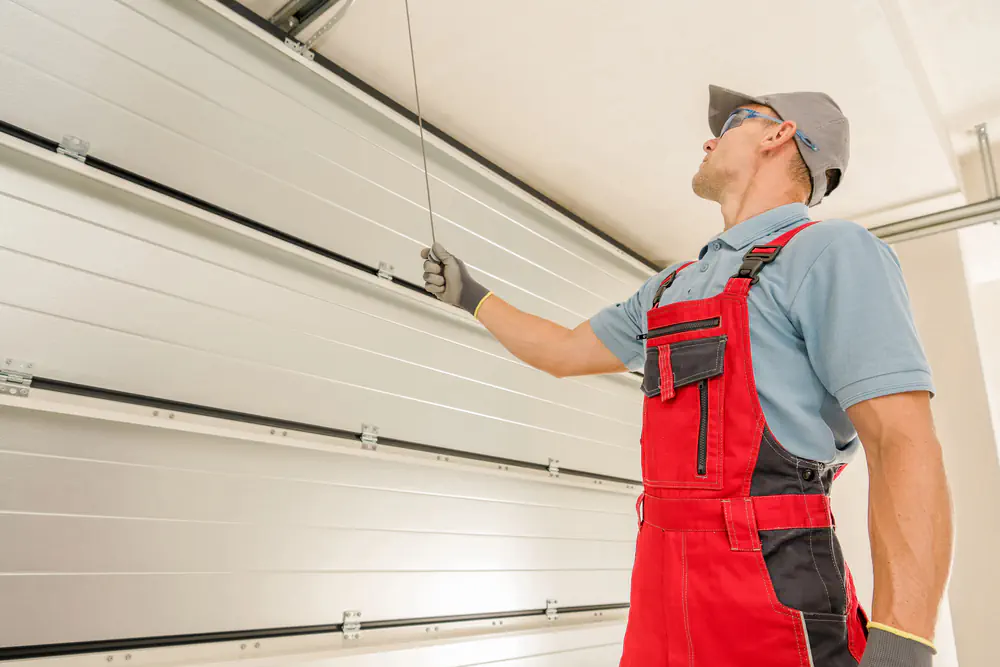
Cost factors behind emergency garage door repair help homeowners make informed decisions without getting caught off guard when the technician arrives.
Factors that affect the cost of emergency garage door repair include:
- Type of damage is the biggest cost driver between all repair types
- After-hours service calls carry additional fees beyond standard rates
- Door size, brand, and model affect the price of replacement parts
- Labor rates in San Francisco, CA run higher than the national average
- Extent of damage determines how many components need replacement
To find the right professional for the job and avoid overpaying for subpar work, read our guide on How to Choose an Emergency Garage Door Repair Service, which walks through the key factors that separate a qualified technician from an unreliable one.
Know What to Do Before Emergency Garage Door Repair Arrives and Act With Confidence
Taking the right steps before the repair team arrives protects your home, keeps everyone out of harm’s way, and gives the technician everything needed to get straight to work. Every prepared action brings you closer to a smoother and more organized repair experience from start to finish.
American Overhead Garage Doors brings certified technicians and exceptional service to every garage door emergency across San Francisco, CA.
Contact us or give us a call today and let our garage door experts handle everything your door needs with the dedication your home deserves.