

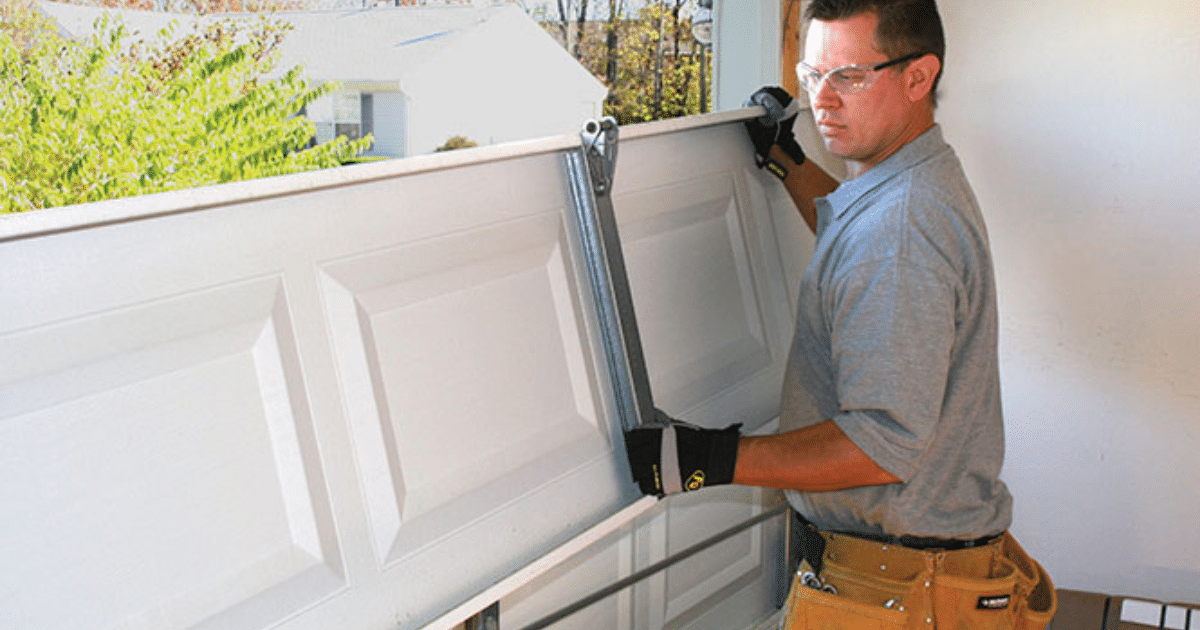
A garage door that stops working without warning is a clear sign that something inside the system has failed and needs immediate attention. The warning signs are almost always present before a full breakdown, and recognizing them early can save you from a much bigger and more expensive problem.
Emergency garage door repair services becomes necessary when those signs go unaddressed and the damage works its way through the entire system. This guide covers every warning sign worth knowing, what each one means for your door, and the exact steps you need to take the moment you notice something is wrong.
Why Garage Door Emergencies Happen
Most garage door emergencies trace back to early warning signs that were overlooked, habits that put the system under unnecessary stress, and environmental conditions that quietly wear components down over time.
Here is what typically leads to the situation:
- Routine garage door maintenance gets skipped for months, allowing small problems to grow into full system failures
- Homeowners ignore early warning sounds like grinding or scraping because the door still opens and closes
- San Francisco’s coastal fog and salt air quietly accelerate corrosion on metal components including rollers and openers without any visible signs early on
- Forcing the door when it feels slow or resistant during closing puts the entire garage door system under extreme stress
- Minor issues like a slightly bent track or a frayed cable get dismissed until they trigger a complete breakdown
To understand what these failure patterns look like once they become visible, read our guide on How Long Does Emergency Garage Door Repair Take?, which breaks down what technicians typically find when a system has been under stress for too long.
What Counts as a Garage Door Emergency?
Not every garage door problem requires an urgent call, but some situations cannot wait until the next business day.
Here is what qualifies as a true garage door emergency:
- The door is stuck in the open position, leaving your home exposed and unsecured
- A spring or cable has visibly snapped, making the broken garage door unsafe to operate
- The door came off its tracks and is hanging at an angle
- The garage door opener runs but the door does not move at all
- The door cannot be secured or locked in its current condition
Any one of these situations requires immediate attention from licensed garage door specialist before the damage spreads further.
Common Causes of Emergency Garage Door Repair Situations
Most emergency garage door repair services in San Francisco come down to the same recurring mechanical failures that could have been caught early.
Here are the most common causes:
- Broken garage door spring that can no longer support the full weight of the door
- Snapped or frayed cables that cause the door to drop or hang unevenly
- Tracks knocked out of alignment from impact, wear, or improper installation
- Opener failure caused by a power surge, worn gears, or a detached trolley latch
- Garage door spring repair situations that were postponed until the spring gave out completely
Knowing what caused the problem helps certified technicians arrive prepared and get your door back to smooth operation faster.
Signs Your Garage Door Needs Emergency Repair Right Now
Loud Snapping or Banging Sound Followed by No Movement
A loud snap from the garage almost always means a torsion spring has broken under full tension and the door is no longer safe to operate.
Watch for these signs after the sound:
- Opener runs through its full cycle but the door does not move at all
- One side of the door sits visibly lower than the other
- A gap or separation is visible in the spring mounted above the door
- Door feels immovable when the emergency release cord is pulled
- Forcing the opener after this risks permanent motor damage
Broken torsion springs remove all mechanical support, and every attempted cycle risks damaging the cables, tracks, and opener simultaneously.
Door Is Stuck Halfway or Completely Unresponsive
A door that stops mid-cycle and refuses to respond to any input is signaling a failure somewhere inside the drive or lifting system.
Look for these behaviors:
- Opener completes its cycle but the door stays in the same position
- Light flashes on the opener unit indicate an internal error
- Wall button and remote both fail to trigger any movement
- Pulling the emergency release cord reveals the door is too heavy to lift manually
- No resistance is felt when the bypass rope is pulled, pointing to a spring failure
Every attempted cycle after this point adds mechanical strain to components that are already beyond normal operation.
Off-Track or Crooked Door
An off-track door is a structural failure that puts uneven stress on every part of the garage door system with each attempted movement.
Here is what an off-track door looks like:
- One side rises higher than the other during the opening cycle
- Visible gaps appear between the rollers and the track on one or both sides
- Bent tracks show separation from the wall bracket at mounting points
- Scraping sounds occur throughout the full garage door opening cycle
- Operating the door in this condition risks snapping cables and collapsing the panel
Continued use transfers load unevenly across the cable drums, and garage door track repair becomes unavoidable the longer the door stays in operation this way.
Broken or Frayed Cables and Springs
Visible damage to cables or springs means the door is running without the mechanical support it needs to move safely.
Look carefully for these indicators:
- Cables appear twisted, kinked, or hanging loose near the bottom drum
- Extension springs look stretched out of shape or show a clean break along the coil
- Metal shavings or debris appear on the garage floor below the spring hardware
- Door feels unbalanced when lifted manually using the emergency release
- Frayed sections of cable are visible near where they wrap around the drum
Any visible damage to cables or springs is a direct sign that professional garage door cable repair is needed immediately.
Motor Runs But the Door Does Not Move
When the opener runs its full cycle and nothing happens, the mechanical connection between the drive system and the door has broken down.
Pay attention to these details:
- Opener motor hums but produces no chain, belt, or screw movement
- Drive belt or chain shows visible slack or complete detachment inside the opener
- Trolley latch has disengaged, disconnecting the door from the drive system
- No resistance is felt when the bypass rope is pulled
- Door is far too heavy to raise manually after releasing the emergency release cord
Reconnecting the door without addressing the root mechanical failure will not restore normal operation and puts the opener unit under additional strain.
Visible Physical Damage to Panels or Frame
Impact damage to garage door panels shifts the structural alignment of the entire door, affecting how every component above it functions.
Watch for these signs:
- Panels press inward against the tracks, blocking movement in both directions
- Door no longer sits flush against the ground, leaving gaps along the bottom
- Frame has shifted out of square, preventing the door from seating properly
- Hardware mounting points near damaged panels show stress cracks or separation
- Cracks along panel edges allow moisture and pests inside the garage
Misalignment from panel damage spreads into the tracks, cables, and opener system the longer the door stays in use.
Why You Should Never Ignore These Warning Signs
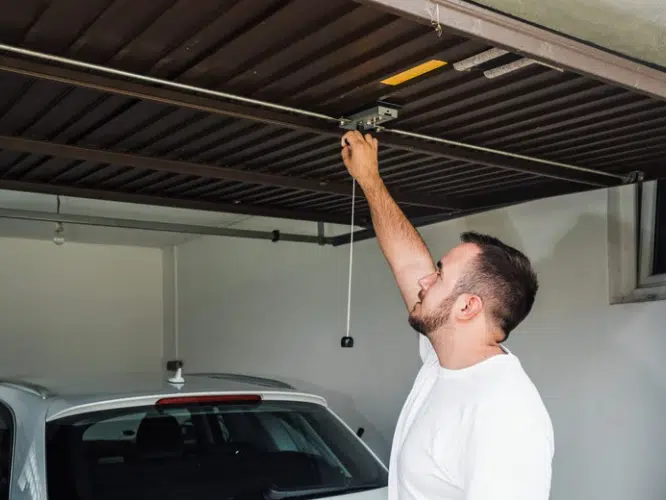
Ignoring warning signs does not make a garage door problem go away, it makes every connected component pay the price.
Here is what happens when these signs go unaddressed:
- Ignoring a malfunctioning garage door damages cables, tracks, and the opener in sequence
- A stuck-open door puts your home and family at direct risk
- Misalignment spreads structural damage to the frame and walls over time
- Neglected repairs visibly impact home value during inspections and home sales
- Delayed action means more components need replacing when a technician finally arrives
Addressing these warning signs early is always less disruptive and less involved than waiting for a full mechanical failure.
What to Do Immediately After Noticing These Signs
The moment you notice any of these warning signs, every action you take next determines how much damage the door sustains before a technician arrives.
Here is what to do right away:
- Stop operating the door immediately to prevent further damage to cables, springs, and the opener
- Lock the interior door connecting the garage to your home to maintain security
- Document the damage with photos and video before anything is touched or moved
- Note how many times the opener light flashes as this helps the technician diagnose the problem faster
- Call a licensed professional garage door technician, not a general handyman
To make the most of the time before help arrives, read our guide on What to Do Before Emergency Garage Door Repair Arrives, which covers every step homeowners should take while waiting for a technician.
What to Expect During the Professional Repair Process
Walking into a professional repair knowing what to expect helps you make informed decisions and avoid surprises during the process.
Here is what typically happens during professional emergency garage door repair services:
- Certified technicians inspect the entire garage door system before touching any components
- Springs, cables, rollers, and tracks are assessed for both visible and hidden damage
- Garage door sensors are checked for alignment and infrared beam continuity
- The opener unit is tested separately to rule out electrical or mechanical failure
- All safety features are verified through a full cycle test before the technician leaves
To find the right technician for the job before an emergency strikes, read our guide on How to Choose an Emergency Garage Door Repair Service, which covers everything you need to know before making that call.
How to Prevent Future Garage Door Emergencies
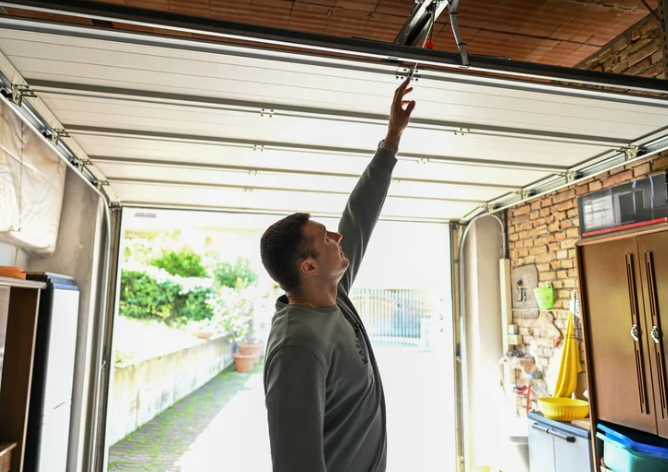
Regular attention to your garage door is the most effective way to avoid ending up in an emergency situation in the first place.
Here is what every San Francisco, CA homeowner should do consistently:
- Inspect springs, cables, and rollers monthly for early signs of wear
- Wipe garage door sensors with a soft cloth and confirm the infrared beam is clear
- Apply white lithium grease to all moving parts at least twice a year
- Schedule annual professional garage door repair service to catch what visual checks miss
- Test door balance monthly using the emergency release cord
Consistent upkeep and dedication to regular maintenance is what separates a garage door that lasts for decades from one that fails without warning.
Don’t Wait for a Full Breakdown to Act on These Emergency Garage Door Repair Signs
Every sign covered in this guide points to a garage door system that is already under stress and needs professional attention before the damage spreads further. Recognizing these warning signs early and acting on them immediately is what keeps a manageable repair from turning into a full system failure.
American Overhead Garage Doors brings years of hands-on experience helping San Francisco homeowners handle urgent garage door issues with accuracy and professionalism. Contact us or give us a call today and let our licensed technicians assess your door and restore it to full working condition.