

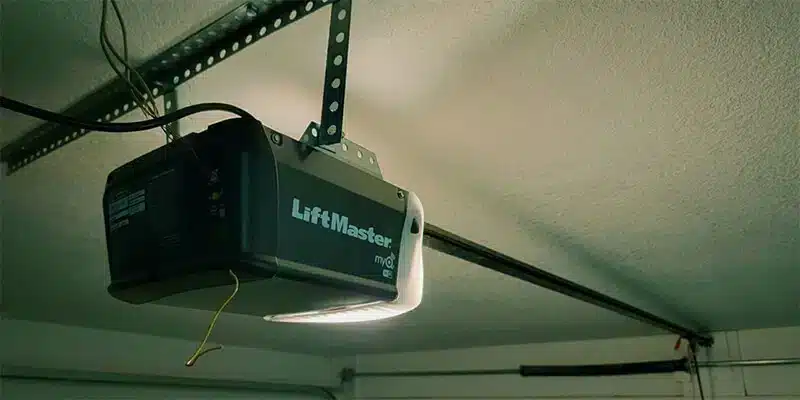
A garage door opener handles one of the most repeated mechanical tasks in a home, and when one component fails, the entire system stops working. The door becomes stuck, unresponsive, or behaves in ways that are difficult to diagnose without knowing where to look.
Garage door opener failure does not always come with a warning, and the cause is not always obvious from the outside. Knowing what actually triggers these breakdowns makes it easier to identify the problem, choose the right garage door repair, and prevent the same issue from recurring.
What Causes Why Garage Door Opener Stops Working
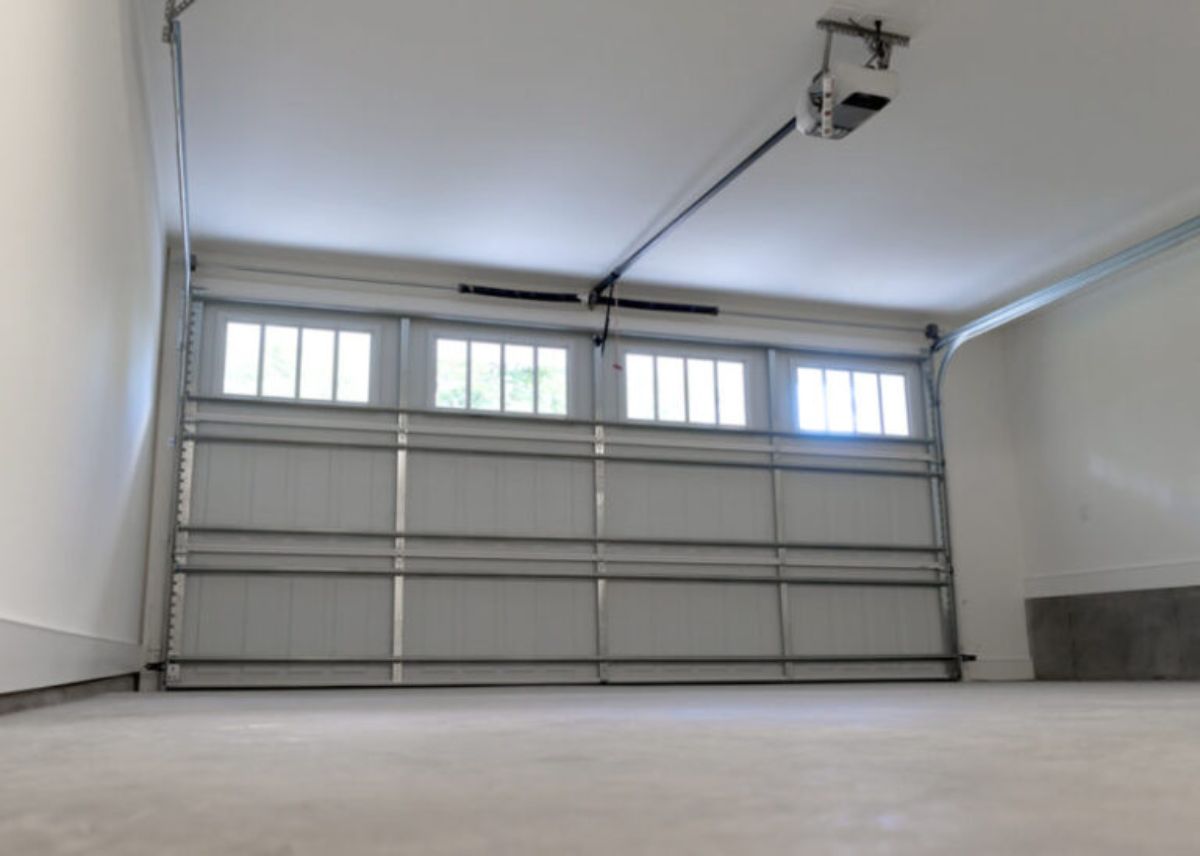
A failed opener puts every connected component in the system under pressure, and the longer the root cause goes unaddressed, the more the damage spreads across the springs, sensors, and drive mechanism.
Here is what typically happens when the system breaks down:
- Both the remote and the wall switch stop responding, cutting off all access to the garage.
- The motor runs its full cycle, but the door stays put, signaling a mechanical disconnect.
- The door reverses before fully closing, leaving the garage exposed.
- Springs, cables, and tracks wear faster from repeated failed cycles.
- Daily home access gets disrupted when the garage is the primary entry point.
To reset your opener and restore access immediately, read our guide on How to Reset a Garage Door Opener That Stopped Working, which walks through the steps to get your system working again.
What Causes a Garage Door Opener to Stop Working
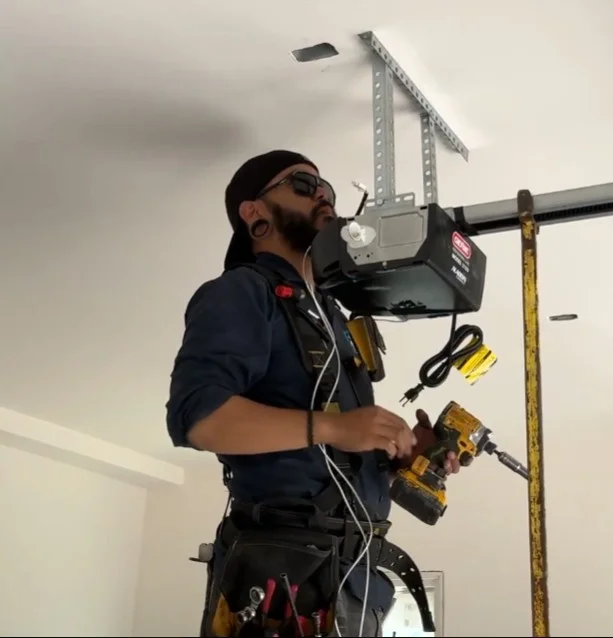
Power and Mechanical Issues
Power and mechanical failures are among the most frequent reasons a garage door opener stops responding without any prior warning.
Watch for these signs:
- An unplugged motor or tripped circuit breaker cuts all power to the opener.
- Broken springs cause the motor to run while the door stays still.
- Stripped internal gears prevent the drive mechanism from engaging.
- Pulled the emergency release cord, which disconnects the motor trolley from the door.
Identifying the root cause upfront determines whether the opener needs a targeted repair or a full garage door replacement.
Remote and Wall Control Issues
Remote and wall control problems are among the most overlooked causes of a garage door opener not working, yet they are often the fastest to resolve.
Check for these common triggers:
- Dead remote batteries stop the transmitter from triggering the opener.
- The activated lock button on the wall panel disables all remote transmitters.
- Signal interference from nearby devices disrupts communication with the motor unit.
- The recently replaced remote, which was never reprogrammed, will not sync with the opener.
Each of these issues mimics a larger mechanical failure, which is why checking controls first saves time before moving to the opener unit itself.
Sensor and Safety Malfunctions
Photo eye sensors sit at the bottom of the door track and send a beam across the opening to confirm no obstruction is present before the door closes.
Look for these indicators:
- Sensors bumped out of alignment, break the beam, and stop the door mid-cycle.
- A dirty sensor lens can interrupt the beam even when the path appears clear.
- Frayed wiring between the sensors and opener unit causes a permanently broken beam reading.
- A damaged circuit board produces erratic sensor behavior that realignment alone cannot fix.
Any deviation from a solid beam signal indicates a specific fault that a trained garage door repair technician can trace to the sensor, wiring, or circuit board.
How San Francisco Weather Affects Garage Door Opener Performance
Coastal climate conditions put consistent stress on garage door openers in ways that inland homeowners rarely experience.
Here is how local weather contributes to opener wear:
- Ocean fog and salt air accelerate corrosion on metal tracks, springs, and hardware.
- Persistent moisture clouds sensor lenses and triggers false obstruction readings.
- Daily temperature swings cause metal components to expand and contract, loosening hardware over time.
- Cold morning air thickens the drive system lubricant, straining the motor during operation.
- Swollen wooden door panels create resistance, overloading the opener unit.
Addressing these conditions early keeps the system performing through San Francisco’s year-round climate patterns.
What to Do When Your Garage Door Opener Does Not Work
When a garage door opener stops responding, working through the most common causes in order saves time and prevents unnecessary service calls.
Here is where to start:
- Check that the opener is plugged in and test the outlet with another device.
- Reset the circuit breaker tied to the garage at the fuse box.
- Inspect both photo eye sensors for misalignment, dirty lenses, or blocked beam paths.
- Test the wall switch and remote separately to isolate where the signal is breaking down.
- Look for visible damage on the springs, cables, tracks, and hardware before assuming the opener is at fault.
Running through these checks in order helps narrow down the problem and gives a technician a clearer starting point if professional service is needed.
When to Call a Professional for Garage Door Opener Repair or Replacement
Garage door opener problems that go beyond basic troubleshooting carry enough risk that professional service becomes the only practical option.
Here is when to call a technician:
- Broken springs require specialized tools and training to replace safely.
- Frayed or snapped lift cables can cause the door to fall if mishandled.
- Circuit board replacement requires technical wiring knowledge and model compatibility.
- Severely bent tracks need full system recalibration to function correctly.
- Inconsistent door movement after basic troubleshooting points to a deeper mechanical issue.
To determine whether the opener still has life left or needs a full swap, read our guide on Garage Door Opener Stops Working: Repair or Replace?, which walks through the key factors that indicate the right decision.
How to Prevent Garage Door Opener Failure Before It Starts
Consistent upkeep is the most effective way to keep a garage door opener running without unexpected breakdowns.
Here is what regular garage door maintenance looks like in practice:
- Test the auto-reverse feature monthly by placing a flat object under the closing door.
- Lubricate the drive system twice a year with a garage door-specific lubricant.
- Wipe down photo eye sensor lenses regularly to prevent false obstruction readings.
- Check limit settings annually to confirm the door travels the correct distance.
- Schedule a professional inspection once a year to catch wear early.
To build a complete maintenance routine that extends the life of your opener, read our guide on How to Maintain a Garage Door Opener and Prevent Breakdowns, which covers every step needed to keep the system in good working condition year-round.
Identify What Is Causing a Garage Door Opener to Stop Working
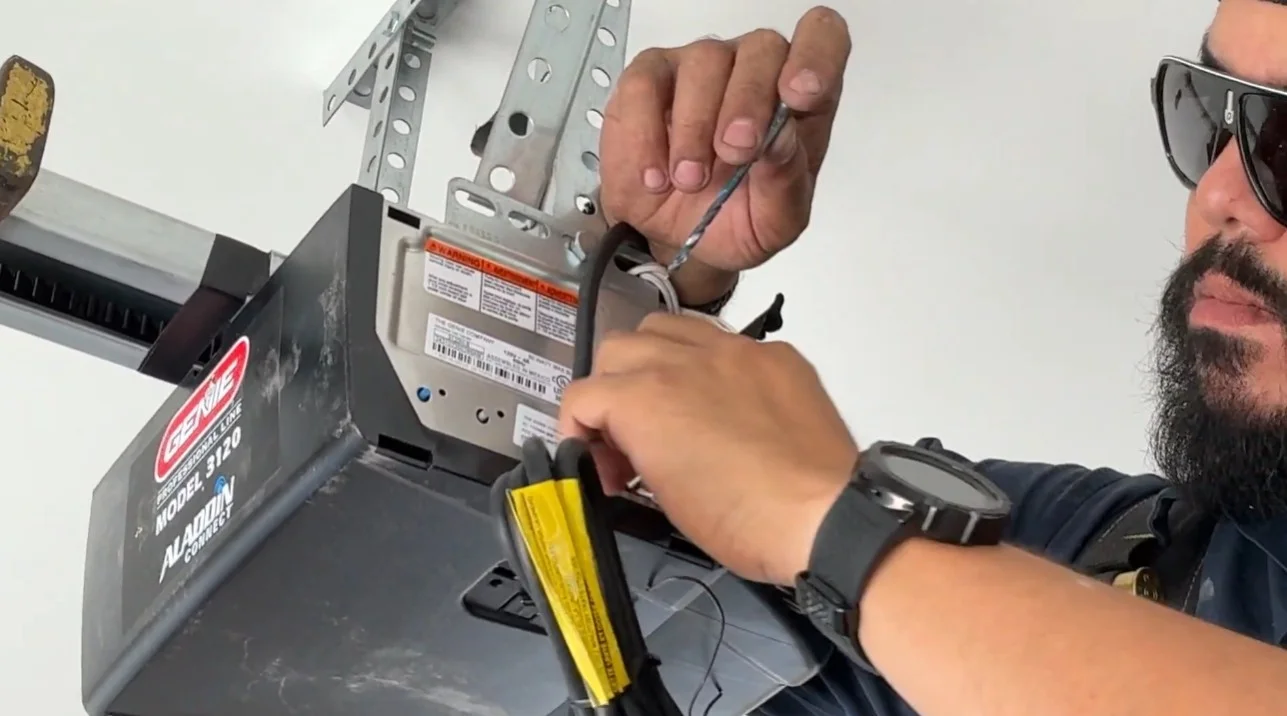
Every garage door opener failure traces back to a specific cause, and identifying it early makes it easier to respond before the problem affects the rest of the system. Understanding what triggers these breakdowns leads to smarter decisions about the repairs an opener actually needs.
American Overhead Garage Doors brings the local knowledge and professional expertise needed to diagnose and resolve all kinds of opener issues in San Francisco. Contact us or give us a call today, and let our team identify the exact cause behind the failure and restore the system to full working condition.