A garage door opener takes on more mechanical stress than most people give it credit for, and without consistent maintenance, that stress quietly builds into failure over time. Worn parts, loose hardware, and neglected sensors start small and grow into full system breakdowns that are far more expensive to address.
Knowing how to maintain a garage door opener and prevent breakdowns gives homeowners a clear path to avoiding the repairs and costs that come with a neglected system. This guide covers every critical part of that process, from routine inspections to knowing when a professional needs to step in.
Why Maintaining a Garage Door Opener Is the Key to Preventing Breakdowns
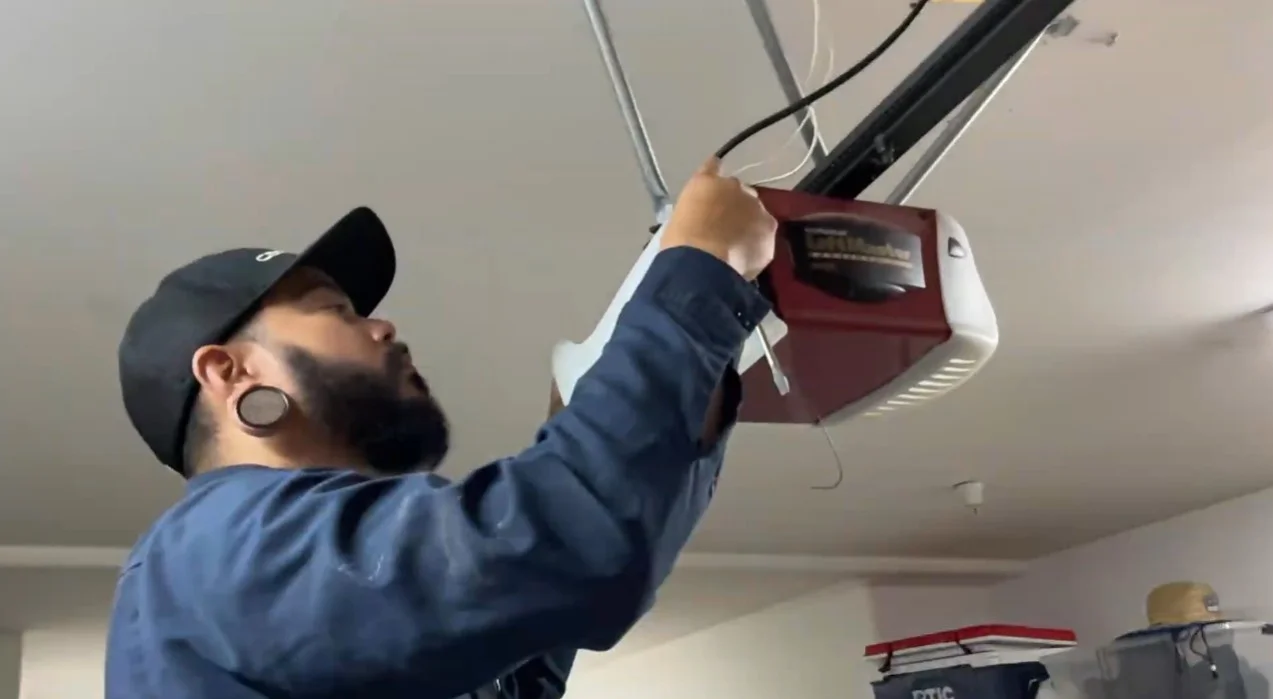
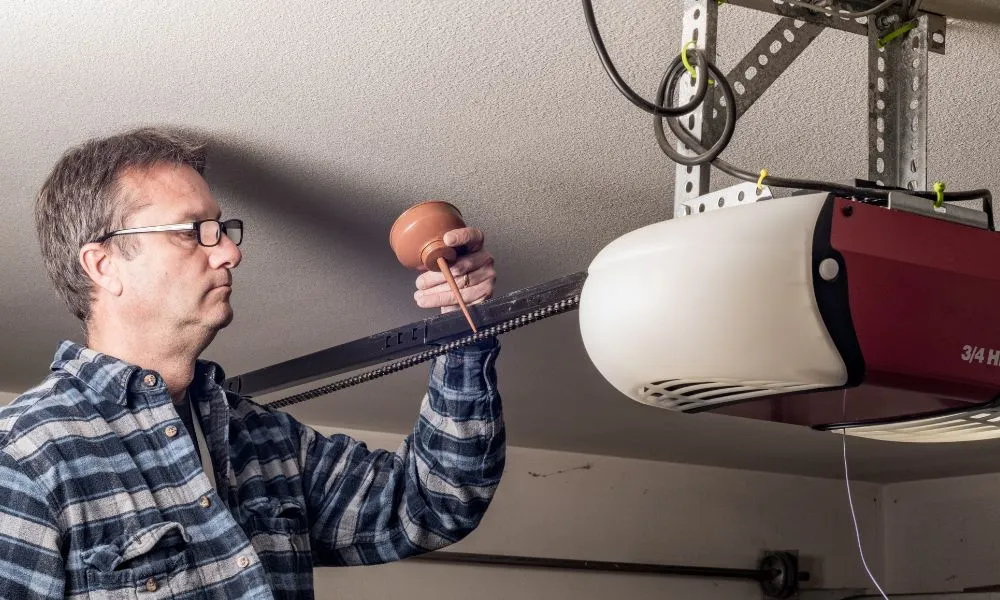
Garage door opener maintenance is the process of regularly inspecting, lubricating, and testing every component of the system to keep it operating at full capacity and prevent premature failure.
Here are the reasons why maintenance is the foundation of a long-lasting opener:
- Lubricated parts reduce friction and prevent the motor from overworking
- Routine inspections catch worn components before they trigger a breakdown
- Tested safety sensors confirm the auto-reverse function works as designed
- A balanced door reduces strain and extends the life of the drive system
- Consistent upkeep keeps the opener performing within its designed range
To get a full picture of what drives these failures, read our guide on What Causes a Garage Door Opener to Stop Working?, which breaks down the root causes that determine whether a repair or full replacement becomes unavoidable.
How a Consistent Maintenance Routine Keeps Breakdowns Away
Regular maintenance is what keeps a garage door opener running longer and performing better through years of daily use.
Here are the ways a consistent routine keeps breakdowns away:
- Lubrication prevents metal parts from grinding down and wearing out early
- Scheduled inspections catch loose hardware before it causes bigger problems
- Sensor checks confirm the safety feature is functioning every cycle
- Balance tests reduce motor strain and prevent the opener from overworking
- Timely part replacements stop one failing component from affecting the rest
Homeowners who commit to a regular schedule rarely deal with a garage door opener not working at the worst possible time.
The Right Way to Maintain a Garage Door Opener
Test the Safety Sensors
Photo eye sensors are the first line of defense against the door closing on a person, pet, or object placed at the bottom of the door.
Watch for these conditions during every sensor check:
- Both indicator lights should show a steady glow with no flickering
- Dust or smudges on the lenses block the beam and trigger false stops
- Direct sunlight on the lenses mimics a blocked path and causes errors
- Wiring near the track should show no fraying or loose connections
- Placing an object in the door’s path confirms that the auto-reverse responds correctly
Clean lenses and proper sensor alignment are what keep the auto-reverse safety feature responding accurately every time the door cycles.
Check the Door Balance
An unbalanced door puts direct strain on the opener motor and shortens its working life faster than almost any other common issue.
Check for these signs of an imbalanced door:
- Pull the emergency release cord and operate the door manually
- Lift the door halfway and release it to see if it holds position
- A door that rises or drops signals a garage door spring tension problem
- Uneven gaps along the top of the closed door point to a balance issue
- High-tension spring adjustments require a professional at all times
Correcting door balance before it strains the motor is one of the most impactful steps in a maintenance routine.
Lubricate the Moving Parts
Metal components without proper lubrication wear down faster and force the motor to work harder with every cycle.
Apply lubrication to these specific areas:
- Hinges and roller stems need a coating of white lithium grease or petroleum-based lubricant
- Chain drive openers need a light application of oil along the chain to prevent rust
- Screw drive shafts need lubrication to keep the drive moving evenly
- Belt drive systems need inspection for wear but never direct lubrication
- Never apply any product to the track, as it collects debris and causes binding
Lubrication frequency depends on usage, and coastal conditions in San Francisco make it a higher priority than in drier regions.
Tighten the Hardware
Vibration from daily use gradually loosens bolts and brackets, and shifting hardware affects how the entire overhead door system moves.
Inspect and tighten these hardware points:
- Bolts on door hinges and mounting brackets should be checked with a socket wrench
- Track brackets secured to the wall and ceiling need to be firm with no wobble
- Roller brackets along the full length of the track should be checked top to bottom
- Hardware connecting the opener unit to the ceiling mount must stay tight
- Apply controlled torque only, as overtightening strips threads and weakens connections
Tight hardware throughout the system prevents the gradual misalignment that causes uneven door travel.
Test the Backup Battery
Battery backup keeps the garage door operational during a power outage, which matters in San Francisco, where grid disruptions are not uncommon.
Run through these checks to confirm the battery is holding:
- Unplug the opener’s power cord from the ceiling to cut the main power source
- Use the remote control to open and close the door and observe the response
- A slow or unresponsive door during the test means fresh batteries are needed
- Check the small light on the opener unit that signals battery status
- Replace the backup battery per the manufacturer’s instructions
Backup battery testing is one of the most overlooked steps in garage door opener maintenance and one of the most important during a power outage.
How San Francisco’s Climate Makes Garage Door Opener Maintenance Even More Critical
San Francisco’s marine fog, salt air, and shifting temperatures accelerate opener wear faster than most inland conditions.
Here are the ways the local climate affects maintenance needs:
- Marine fog carries moisture that settles on metal parts and speeds up corrosion
- Salt air degrades springs, hinges, and rollers faster than in drier regions
- Temperature fluctuations cause metal components to expand and contract repeatedly
- Coastal humidity puts the circuit board at risk of moisture damage
- Fog season affects photo eye sensors and wiring on a weekly basis
More frequent garage door maintenance checks are what keep a opener in good working condition in this environment.
When Maintenance Is Not Enough and It Is Time to Call a Pro
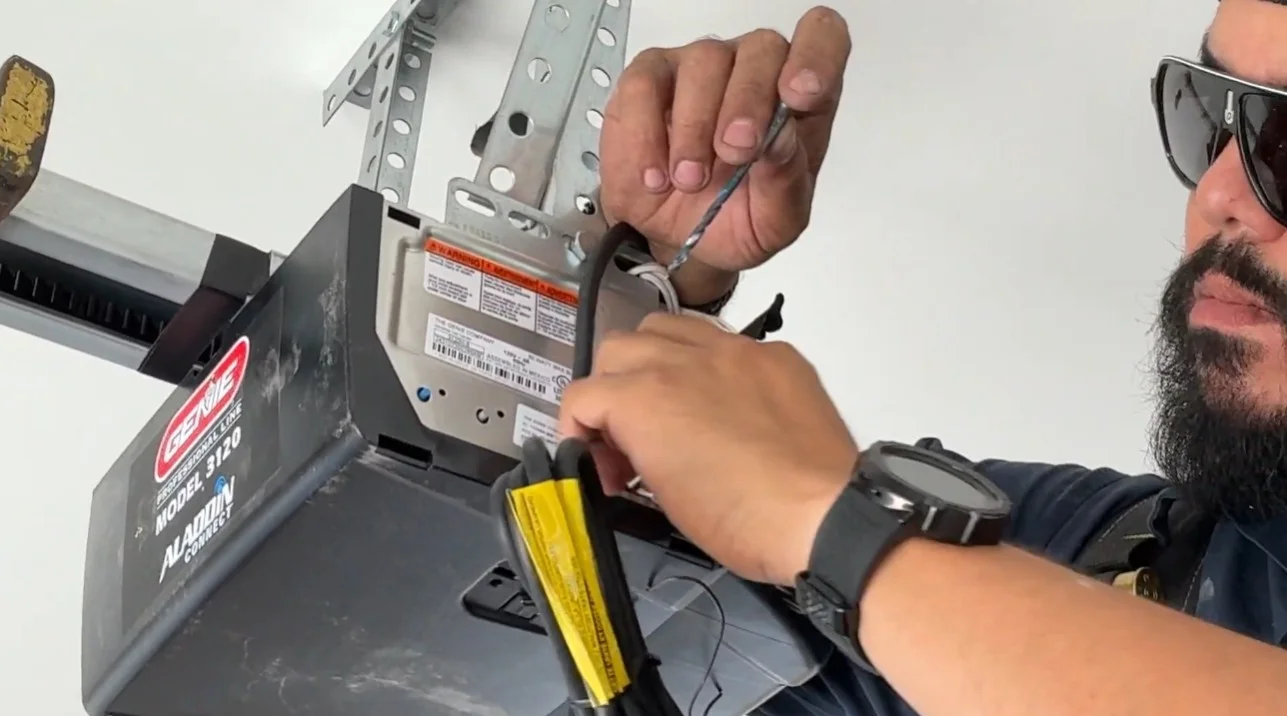
Routine upkeep has limits, and a garage door opener repair becomes necessary when the system shows problems that go beyond what regular maintenance can resolve.
Here are the signs that a professional needs to step in:
- Opener activates but the door does not move, pointing to a failed motor or stripped drive
- Wall switch does not respond even after checking the power source and circuit breaker
- Door reverses immediately after closing without any obstruction present
- Grinding or burning smell during operation signals internal mechanical damage
- Spring, circuit board, and drive system repairs require professional expertise to handle
To walk through what to do before calling for help, read our guide on How to Reset a Garage Door Opener That Stopped Working, which covers the first steps homeowners can take when the opener stops responding as expected.
Deciding Between Garage Door Opener Repair and Replacement
Choosing between repair and replacement depends on the age of the unit, the cost of the fix, and the overall condition of the system.
Factor | Garage Door Opener Repair | |
Unit Age | Under 7 years | Over 10 years |
Issue Type | Single failing component | Multiple recurring failures |
Repair Cost | Less than half the price of a new unit | More than half the price of a new unit |
Safety Features | Still functional | Missing or outdated |
Battery Backup | Present and working | Absent or failing |
To weigh every factor that goes into this decision, read our guide on Garage Door Opener Stops Working: Repair or Replace?, which breaks down the full comparison between repair and replacement based on cost, condition, and long-term value.
Maintain a Garage Door Opener the Right Way and Keep Breakdowns From Taking Over

Consistent maintenance is what keeps a garage door opener performing at full capacity and prevents the kind of failures that disrupt daily life. Every inspection, lubrication, and safety check covered in this guide builds toward a system that holds up through years of reliable daily use.
American Overhead Garage Doors is the trusted team San Francisco homeowners call for professional garage door services, accurate diagnostics, and dependable opener maintenance. Contact us or give us a call today and let our team assess what the system needs to stay in peak operating condition all year long.