A garage door opener that stops working puts the entire household at a standstill, and the pressure to fix it quickly can lead to a costly mistake. The decision to repair or replace the unit is not always obvious, and making the wrong call without the full picture often leads to the same breakdown happening again.
Choosing the wrong path means spending money on a fix that does not last or replacing a unit that still has years of life left in it. Understanding the condition of the opener, the nature of the problem, and the cost of each option is what separates a smart decision from an expensive one.
Why the Repair or Replace Decision Matters for a Garage Door Opener
When a garage door opener stops working, the instinct to act quickly can lead homeowners to choose a solution before fully understanding the problem, and that rushed decision often costs more in the long run.
Here are the reasons why making the right call matters:
- A premature replacement wastes money on a unit that could have been repaired.
- A band-aid garage door opener repair on a failing system leads to repeated breakdowns and growing expenses.
- An aging opener without modern safety features puts the household at risk.
- Undiagnosed garage door opener failure often points to a larger mechanical issue.
- The wrong decision delays the return of the system to consistent, dependable operation.
To understand what triggers these failures in the first place, read our guide on What Causes a Garage Door Opener to Stop Working?, which covers the root causes that determine whether repair or replacement is the more practical path forward.
Common Reasons a Garage Door Opener Stops Working
Garage door opener issues trace back to a small set of mechanical and electrical problems that worsen over time.
The common causes of garage door opener failure include:
- Worn or stripped drive gears cause the motor to run without moving the door.
- A damaged circuit board from a power surge shuts the entire system down.
- Motor wear from years of daily use leads to slow, struggling, or failed operation.
- Broken garage door springs force the opener to carry a load it was not built to handle.
- Misaligned or dirty photo-eye sensors trigger the safety feature, stopping the door mid-cycle.
Identifying the root cause early is what determines whether a repair will hold or a full garage door opener replacement is the more practical solution.
Garage Door Opener Not Working? Rule These Out First
Before calling a technician, a few quick checks can rule out simple causes often mistaken for major garage door opener failures.
Basic checks to perform before scheduling a service call include:
- Check the power source and confirm the circuit breaker is not tripped.
- Swap out the remote and keypad batteries with fresh ones.
- Inspect the photo eye sensors for dust, debris, or misalignment.
- Confirm the emergency release cord has not disconnected the trolley.
- Check that the wall switch lock button was not accidentally activated.
Ruling out these common problems first saves time and money before a professional garage door repair visit is needed.
When to Repair and When to Replace a Garage Door Opener

Repairs That Are Usually Worth the Investment
Repair makes sense when the problem traces back to a single component rather than the system as a whole.
Situations where repair is the practical choice include:
- Stripped drive gears are the only issue, and the motor runs without strain.
- A tripped circuit breaker or dead batteries are behind the opener, not responding.
- The photo eye sensor misalignment is causing the door to stop or reverse unexpectedly.
- A faulty capacitor is causing the motor to run erratically, but the board is intact.
- Remote reprogramming resolves the issue without any mechanical work needed.
Targeted repairs on a younger opener unit extend its working life without the expense of full replacement.
Signs a Garage Door Opener Needs to Be Replaced
Persistent garage door opener failure across multiple components signals that repair is no longer the practical option.
Key indicators that replacement is the better investment include:
- The opener age is 10 to 15 years, and parts are difficult to source.
- Repair costs are approaching the price of a new unit.
- Rolling code technology and auto-reverse are not available on the current opener model.
- Motor strain, burning smells, or unusual noises have become a regular occurrence.
- Repeated breakdowns happen within short intervals despite previous repairs.
Evaluating these indicators together gives homeowners a complete and honest picture of the opener’s condition.
What to Consider Before Repairing or Replacing a Garage Door Opener
Evaluating the right factors before making a decision prevents costly mistakes and ensures that the chosen path delivers lasting results.
Key factors to evaluate before making a decision include:
- Opener age affects whether parts are still available and worth pursuing.
- Repair costs approaching a new unit’s price make replacement the smarter call.
- The absence of auto-reverse and rolling code technology signals a need for an upgrade.
- Frequent breakdowns over a short period indicate systemic wear.
- Drive type, motor condition, and opener model influence which option delivers better value.
To weigh these factors before deciding, read our guide on How to Reset a Garage Door Opener That Stopped Working, which covers when a reset resolves the issue and when professional attention is needed.
How Professionals Handle Garage Door Opener Repair and Replacement
Professional garage door technicians follow a structured process that goes beyond what a basic visual check can reveal.
What a professional garage door repair service covers includes:
- Full inspection of the motor, drive system, and mechanical components for signs of wear.
- Testing of safety sensors, auto-reverse function, and limit settings.
- Diagnosis of the circuit board and wiring for electrical damage or loose connections.
- A cost comparison between repair and replacement based on the opener’s age and condition.
- Complete garage door opener installation, programming, and calibration of the new unit if replacement is needed.
Trained technicians bring the professional expertise needed to make an accurate diagnosis and deliver a solution that holds.
How San Francisco Homeowners Can Avoid Facing This Decision Again
Consistent upkeep is what keeps a garage door opener out of the repair or replacement cycle in the first place.
Practical steps San Francisco homeowners can take to protect their opener include:
- Schedule annual professional maintenance to catch wear before it develops into a breakdown.
- Lubricate moving parts regularly to reduce strain on the motor and drive system.
- Inspect safety sensors and hardware periodically for dust, corrosion, or misalignment.
- Address unusual noises or slow operation promptly before the problem worsens.
- Keep the opener protected from San Francisco’s coastal humidity with proper weatherproofing.
To build a complete maintenance routine, read our guide on How to Maintain a Garage Door Opener and Prevent Breakdowns, which covers the key service steps to extend the opener’s lifespan and reduce unexpected failures.
Choose the Right Fix for a Garage Door Opener That Stopped Working
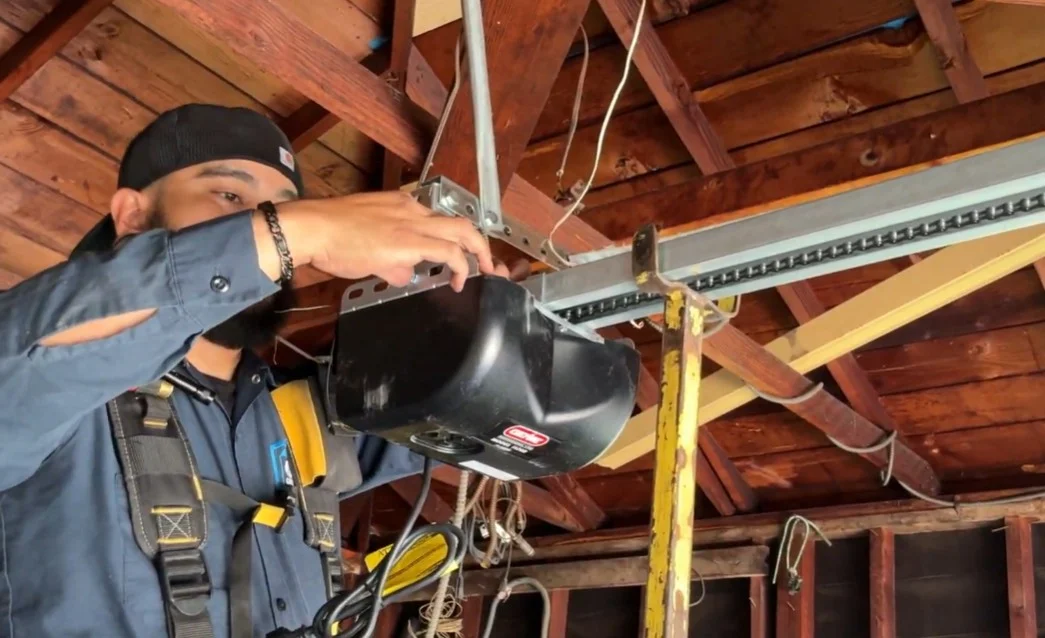
Deciding between repair and replacement is not always straightforward, and the wrong choice leads to repeated breakdowns and unnecessary expenses. Understanding the condition of the opener, the nature of the problem, and the cost of each option is what turns a frustrating situation into a lasting solution.
American Overhead Garage Doors has the professional expertise and hands-on experience to help San Francisco homeowners make a confident decision about repair or replacement. Contact us or give us a call today, and let our team conduct a thorough inspection and deliver an honest recommendation.